

Key Takeaways
Ocala’s rapid population growth, affordable home prices, and strong renter demand create a solid foundation for consistent rental income and long-term appreciation.
Successful investors focus on key metrics like NOI, cap rate, and total expenses before making a decision.
Matching property type (especially single-family homes and two-bedroom units) to local renter demand is critical for minimizing vacancy and maximizing returns.
Location, insurance costs, and full ownership expenses significantly impact profitability, making detailed local market knowledge essential.
At Crossroads Realty and Property Management, we've helped hundreds of rental property owners build profitable portfolios across Marion County. Ocala's real estate market has evolved into one of Florida's most compelling stories for investors. This guide gives you the on-the-ground perspective you won't find in a generic checklist.
What to Know Before Buying Investment Property in Ocala, FL
Buying investment property in Ocala, FL requires evaluating neighborhood-level rent demand, understanding Florida landlord-tenant law, and running accurate cap rate calculations before committing to a purchase.
Ocala's median home prices sit around $266,000 (well below the national average) while renter demand remains steady, with 51% of city housing occupied by renters.
Investors who align their property type with local renter demographics and factor in insurance, taxes, and vacancy costs consistently outperform those who rely on purchase price alone.
1. Understand Why Ocala is Drawing Investors
Ocala isn’t a speculative bet. It’s a market underpinned by real, measurable fundamentals. As of early 2025, Ocala was confirmed as the fastest-growing metropolitan area in the United States, adding an estimated 318 new residents every single week.
What is driving the growth? A combination of affordable cost of living, a rapidly expanding job market, and a signature industry that sets Ocala apart. Forbes magazine has named the Ocala metro a top-10 market for future job growth for five consecutive years.
Healthcare is one of the most active sectors, employing approximately 4,700 workers. Manufacturing, distribution, and logistics round out the economy. Ocala's central Florida location places it within a day's drive of 34 million people, making it a natural hub for companies expanding their supply chains.
The World Equestrian Center draws international visitors year-round and brings a steady stream of high-income renters who work in or around the equine industry.
For property investors, the math is straightforward: population growth at more than double the national average, median home prices roughly 36% below the national average, and a renter population that makes up 51% of all occupied housing units. That is the foundation for reliable cash flow.
2. Know Your Numbers Before You Make an Offer
The single most common mistake we see from first-time Ocala investors is making a purchase decision based on listing price alone.

Profitable rental property ownership depends on understanding four numbers before you close: gross rent, net operating income, cap rate, and cash-on-cash return.
Here is what you should calculate for any property you are seriously considering:
Annual gross rent (monthly rent × 12)
Less: vacancy allowance (budget 5–8% annually based on current Ocala conditions)
Less: operating expenses — insurance, property taxes, maintenance, management fees
Equals: net operating income (NOI)
Divide NOI by purchase price = cap rate
One cost category many investors underestimate in Florida is insurance. Statewide, average landlord insurance costs are running significantly above the national average. If you are buying inland in Ocala rather than on a barrier island, your premiums will be more manageable.
3. Choose the Right Property Type for the Ocala Renter Market
Not all property types perform equally in Ocala, and matching your investment to the local renter demographic is critical for minimizing vacancy and maximizing long-term returns.
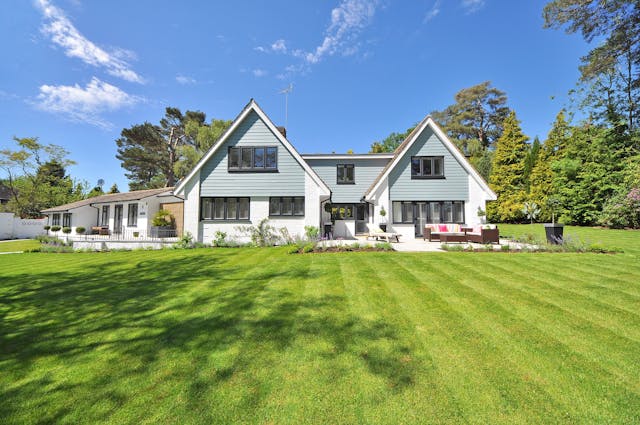
- Single-Family Homes: Single-family detached homes make up 51% of Ocala's housing stock and represent the most in-demand rental product for the market's core renter. Single-family homes in well-established neighborhoods like Silver Springs Shores or southwest Ocala tend to attract tenants who stay longer and treat properties more carefully.
- Two-Bedroom Units: Two-bedroom units account for 50% of all Ocala rentals (the single highest share of any bedroom count). This tells us the renter demand sweet spot. If you’re purchasing a small multi-family property or a duplex, units with two bedrooms will lease most reliably and will deliver the smallest vacancy windows.
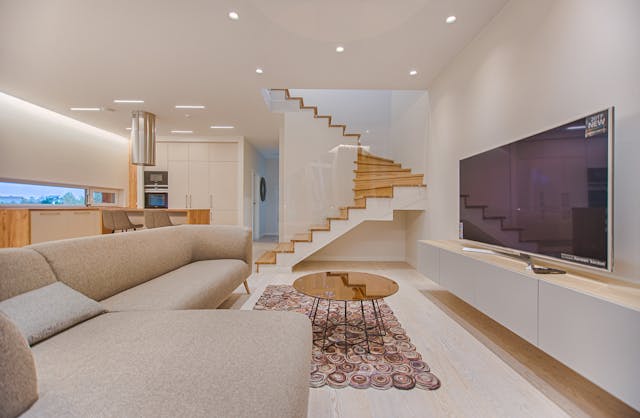
- New Construction: New construction rentals appeal to the wave of incoming residents who are relocating from more expensive markets and expect modern finishes. In a competitive leasing environment, a newer property commands a premium and typically requires less maintenance capital in the first several years.
4. Evaluate Location Within Ocala Carefully
Ocala is not a monolithic market. Neighborhoods vary meaningfully in terms of renter demographics, price points, and appreciation trajectories. Here is how we advise investors to think about it:
Northwest Ocala commands the highest average rents making it suitable for investors targeting quality tenants willing to pay a premium for updated properties.
Southeast Ocala is the most popular neighborhood among renters, averaging $1,369 for a one-bedroom, and generally offers a strong balance of demand and attainable purchase prices.
Downtown and East Ocala offer lower rents (around $1,049 for a one-bedroom) but can work for investors pursuing a higher-volume, lower-cost strategy.
5. Understand Florida's Landlord-Tenant Legal Environment
Florida is widely considered a landlord-friendly state, and that holds true in Ocala. There is no statewide rent control, and as of July 2024, more than 40 local ordinances that conflicted with Florida statutes were invalidated.

That means you will not face the patchwork of local rules that can complicate property management in other states.
6. Budget for Total Ownership Costs, Not Just the Mortgage
One of the most important exercises we walk investors through is building a full projection of income and expenses that goes beyond the mortgage payment. Here are the line items you should include when evaluating an Ocala investment property:
Property taxes: Marion County property taxes are generally competitive with other Florida markets.
Landlord insurance: Budget meaningfully above the national average given Florida's statewide risk profile, even for inland properties.
Property management fees: Professional management typically runs 8–12% of monthly rent in Ocala.
Maintenance reserve: Plan for 1% of property value annually for routine maintenance, and higher for older inventory.
Vacancy allowance: Build in 5–8% annually. The Ocala market is relatively balanced, with rental demand and supply in equilibrium.
Bottom Line
Ocala is a market where local knowledge creates a real edge. Cap rate averages, neighborhood absorption rates, renter demographic trends, and municipal development pipelines are all factors that affect the long-term performance of a rental portfolio, and none of them are visible in an online listing.
At Crossroads Realty and Property Management, we are not just a management company. We are an active participant in the Ocala real estate market, and we work with investors at every stage, from identifying the right property to placing qualified tenants and managing the day-to-day operations that determine whether a rental investment actually performs.